For any inquiries, please call
Avenue de la liberté
4011 H.Sousse - TunisiaSend us a message
contact@cmik.tn
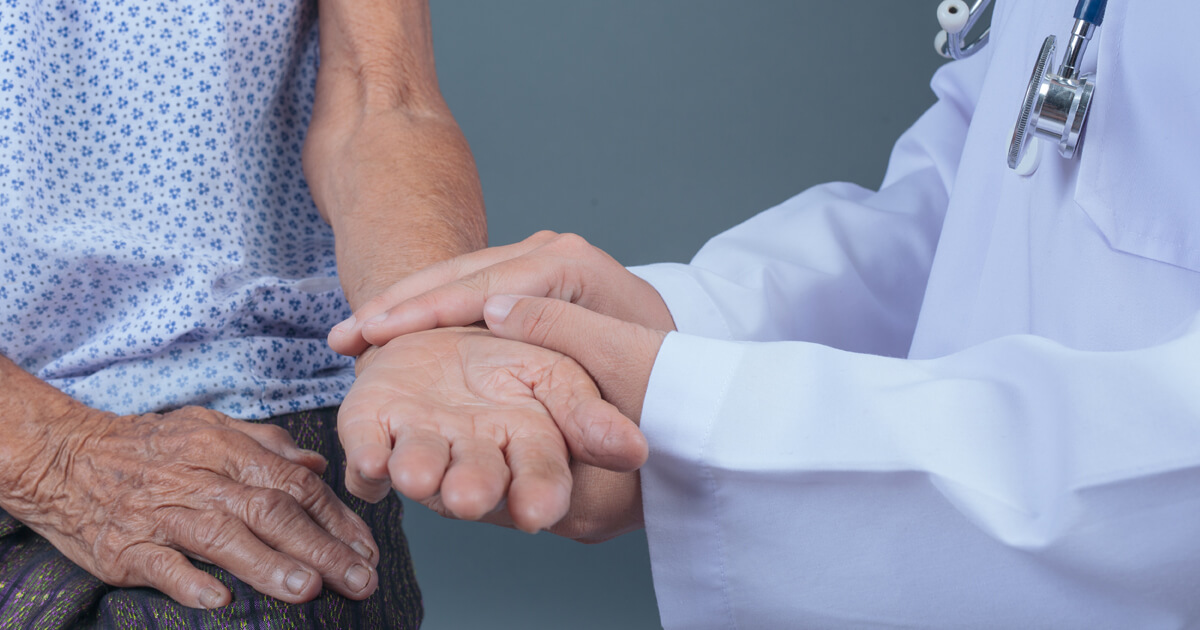
The aging of the population is accompanied by a significant increase in cancer incidence among older adults. Today, more than half of cancer diagnoses concern patients aged 65 and over. This reality calls for a specific approach that considers not only the cancer itself, but also age-related characteristics, comorbidities, and potential patient frailty.
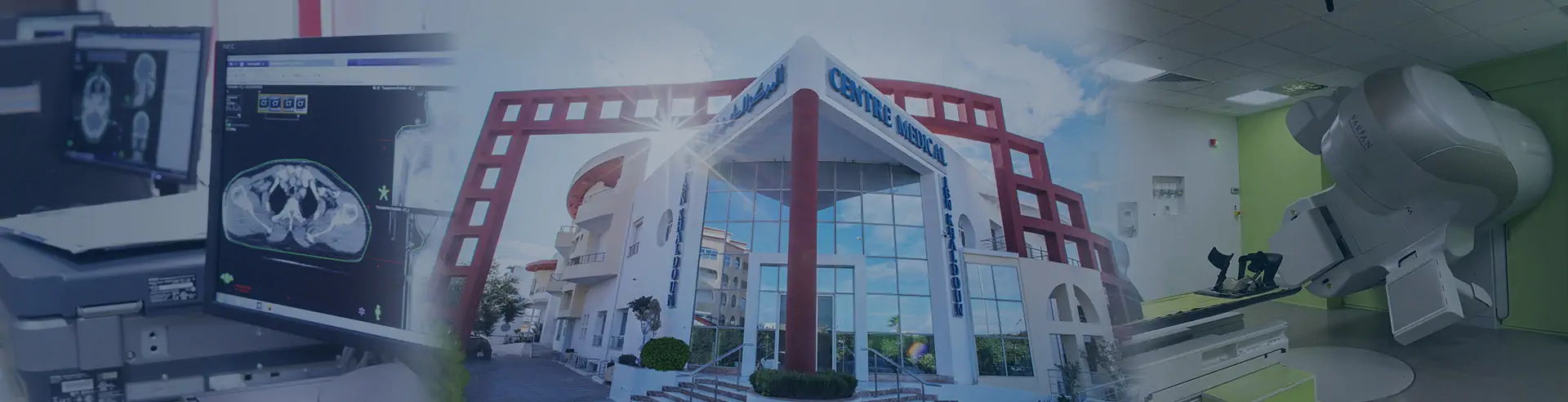
At the Ibn Khaldoun Medical Center (CMIK), oncogeriatrics plays a central role in the management of elderly patients with cancer. The main objective is to tailor therapeutic strategies to each patient, ensuring treatment effectiveness while preserving quality of life as much as possible.
Oncogeriatric care is based on a comprehensive geriatric assessment, which evaluates the patient’s functional, cognitive, nutritional, and social status. This assessment helps identify vulnerability factors, anticipate treatment-related toxicity risks, and guide personalized therapeutic decisions.
Unlike standardized approaches based solely on chronological age, oncogeriatrics focuses on adapting treatments according to the patient’s biological age and overall health status.
At CMIK, the management of elderly cancer patients follows a multidisciplinary approach involving the radiation oncologist, medical oncologist, surgical oncologist, oncogeriatrician, radiologist, nuclear medicine physician, palliative care specialist, organ specialist, This close collaboration allows for the development of an individualized treatment plan that integrates medical, nutritional, psychological, and social aspects.
Regular multidisciplinary discussions ensure comprehensive, coherent, and safe care tailored to the specific needs of each patient.
Beyond cancer treatment, one of the major goals of oncogeriatrics is to preserve autonomy and quality of life. Particular attention is given to preventing adverse effects, managing pain, providing nutritional support, and offering psychological care.
Therapeutic decisions are made in close collaboration with the patient and their family, taking into account personal preferences, life goals, and the overall care plan.
Through the development of oncogeriatrics, CMIK reaffirms its commitment to personalized, humane, and high-quality medicine, addressing the challenges of aging and cancer. Adapting treatments, coordinating expertise, and supporting each patient as a whole are the pillars of this tailored approach to care.