For any inquiries, please call

Avenue de la liberté

4011 H.Sousse - Tunisia

Send us a message

contact@cmik.tn
Centre médical Ibn Khaldoun Sousse Tunisie

Nutrition and Cancer: The Role of Diet in Cancer Prevention and Patient Support

Alimentation et cancer Tunisie
15 Avr 2026 | Categorie : Center news

Center news : Nutrition and Cancer: The Role of Diet in Cancer Prevention and Patient Support

Nutrition plays a vital role not only in cancer prevention but also in supporting patients during and after cancer treatment. At the Ibn Khaldoun Medical Center, the nutritionist supports patients at every stage, providing personalized advice based on the latest scientific recommendations.

Why is nutrition important in cancer care?

  • A healthy diet can help reduce the risk of developing certain types of cancer.
  • It helps maintain a stable weight, as overweight and obesity are linked to a higher risk of several cancers.
  • During treatments (chemotherapy, radiotherapy), proper nutrition helps preserve strength, reduce fatigue, and minimize treatment side effects.

Principles of a healthy diet:

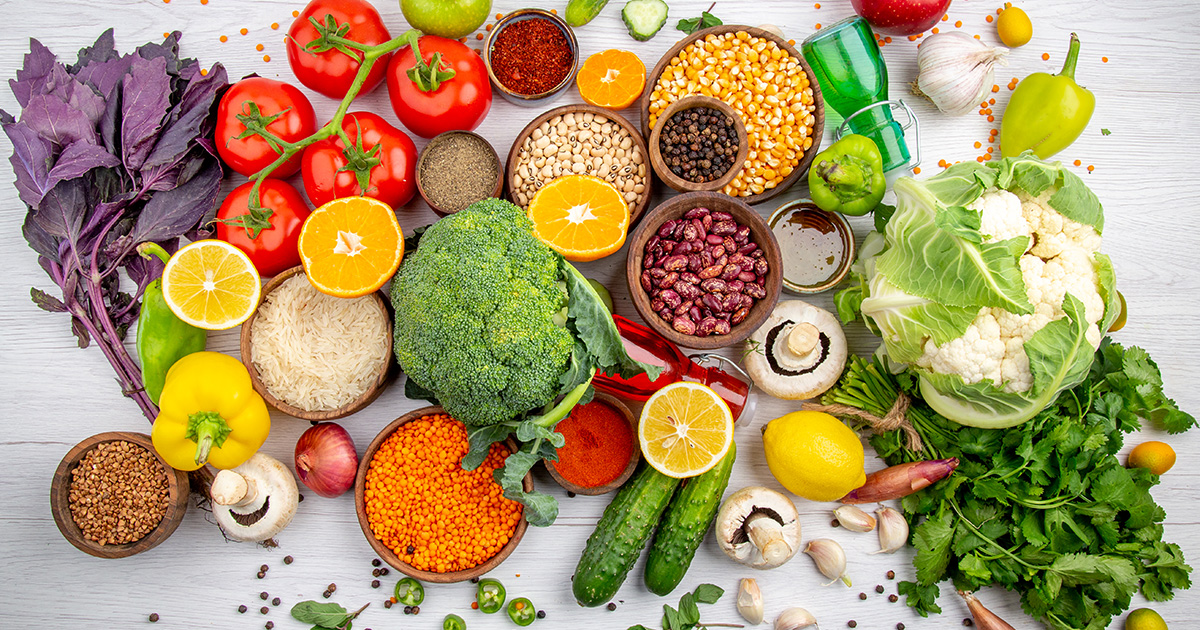
  • Prioritize fiber-rich foods (legumes, whole grains)
  • Consume a wide variety of fresh fruits and vegetables
  • Limit processed meats and foods high in fat or sugar
  • Drink enough water daily
  • Favor good sources of protein (fish, eggs, legumes)

Role of the nutritionist at Ibn Khaldoun Medical Center:

The nutritionist aims to:

  • Assess patients’ dietary habits and nutritional needs
  • Develop a personalized nutrition plan according to the patient’s condition (prevention, during treatment, recovery)
  • Help manage treatment-related side effects
  • Support patients in improving their quality of life through adapted nutrition

Nutritional screening and follow-up:

Regular nutritional monitoring helps to:

  • Detect early weight loss
  • Adapt diet according to symptoms (nausea, mucositis, digestive disorders, etc.)
  • Prevent deterioration of nutritional status

Each patient benefits from a nutritional assessment upon admission for therapeutic care.

Nutrition during treatment:

Depending on the treatment (chemotherapy, radiotherapy, hormone therapy), diet is adapted to:

  • Relieve digestive disorders
  • Maintain adequate energy intake
  • Promote recovery

Advice is personalized according to:

  • Type of cancer
  • Treatment
  • Nutritional status
  • Eating habits

Multidisciplinary teamwork:

Nutrition is an integral part of the care pathway.

The nutritionist collaborates with:

  • Medical oncologists
  • Nurses
  • Radiation oncologists
  • Geriatric oncologists

This coordination ensures comprehensive patient care.

Oncological nutrition consultation:

A nutritional consultation is offered for:

  • Patients undergoing treatment
  • Malnourished patients
  • Patients in remission
  • Individuals wishing to prevent cancer through diet

The consultation helps establish a personalized and evolving dietary plan.

Conclusion:

Each person is unique. The nutritionist considers patient preferences, lifestyle, and goals to develop realistic and effective solutions.

Nutritional management of cancer patients is based on international recommendations (ESPEN, HAS, WHO).

It aims to:

  • Prevent malnutrition
  • Preserve muscle mass
  • Improve treatment tolerance
  • Reduce the risk of complications

At Ibn Khaldoun Medical Center, nutritional care is part of a comprehensive and multidisciplinary approach.

Need quality care?

Your health matters to us!
Call us now!
Schedule an appointment